The Mtracs Flavours Framework
Meta-dissemination refers to the facilitation of explicit discourse surrounding dissemination practices, something which is often neglected in the knowledge creation and dissemination world. Communication about dissemination could take many forms: it could happen during workshops, coffee breaks and online forums, for example. These discussions could help to reinvigorate how we see dissemination, ensuring that the knowledge we work so hard to create reaches audiences that will find it relevant and useful.
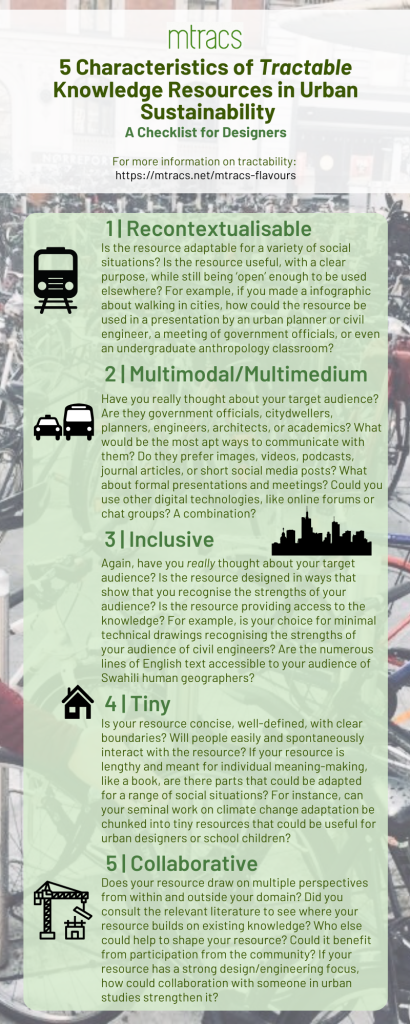
The tractability of resources encapsulates our efforts to design resources that are accessible to all, rendering our resources inclusive. These resources have to be easy to understand and use, while being recontextualisable in the sense that they can be engaged with in numerous contexts. Thinking in terms of multimodal meaning-making, where language is not always central to communication, helps in providing access to meaning. Keeping resources tiny (concise, well-defined, with clear boundaries) aids in mediating effortless practical interactions with resources during synchronous and asynchronous events.
We are strong proponents of lifelong learning. We do not only believe that lifelong learning should occur in order to hone our professional practices but we think that reflecting upon these practices could help us understand ourselves and others also. Reflection is not necessarily restricted to thinking. Indeed, reflection can be mediated or made explicit through writing or producing other multimodal resources, helping us to make sense of our experiences, solving problems and even fostering empathy for others. Reflecting on professional practice and identity formation are therefore viewed as the cornerstone for knowledge creation and dissemination.
We often found that some of the most useful knowledge is shared not only during official presentations during events but during the coffee breaks between them also. For some, the alleviation of presentation pressures in a more informal atmosphere could be inspiring. We therefore attempt to document informal interactions properly (documented coffee breaks), elevating their importance by allowing them to shape our resources, as an alternative approach to conventional knowledge practices. Similarly we (re)structure knowledge events in ways that foreground constant dialogue, while retaining some structure and all of the rigour, in what we call scaffolded informality.
Knowledge is created through collaboration of diverse individuals, who each contribute something unique and refreshing. We like to break the silos of knowledge creation and dissemination, partnering groups of people from all over the world, who would not normally interact with one another. This is done through cross-sectoral and cross-domain collaborations that could bring mentors, trainers and researchers in contact with NGOs that work in similar fields. This collaboration facilitates the careful identification and description of target groups to whom our resources could be disseminated.
Our programmes typically involve interaction with communities of mentors, trainers and researchers from diverse backgrounds. These interactions are loosely divided into three streams: integration (field knowledge, career guidance), practices (writing, technical) and quality of life (lifelong learning, health). We learn a lot through these interactions. It is therefore our special prerogative to connect what we have learned through these streams to the United Nation’s Sustainable Development Goals (SDGs), especially their aims for sustainable communities. Of course, those who choose to volunteer in joining these linking processes, are welcome!
Resources Archive 2022-2024
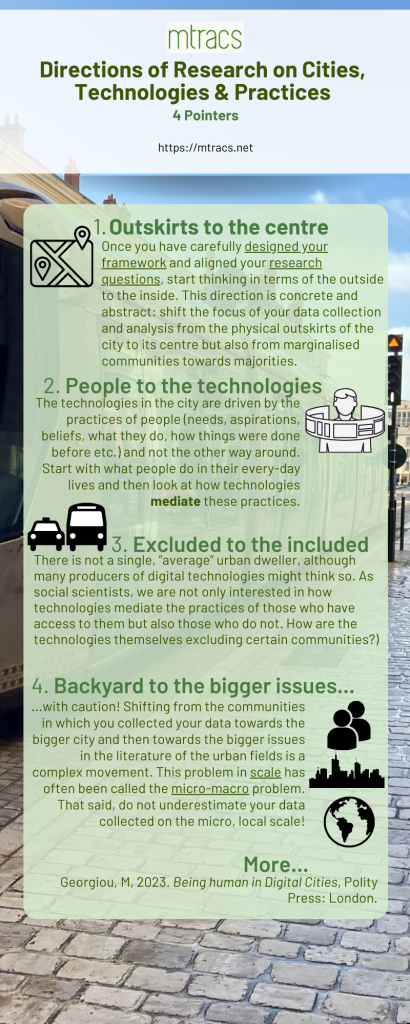
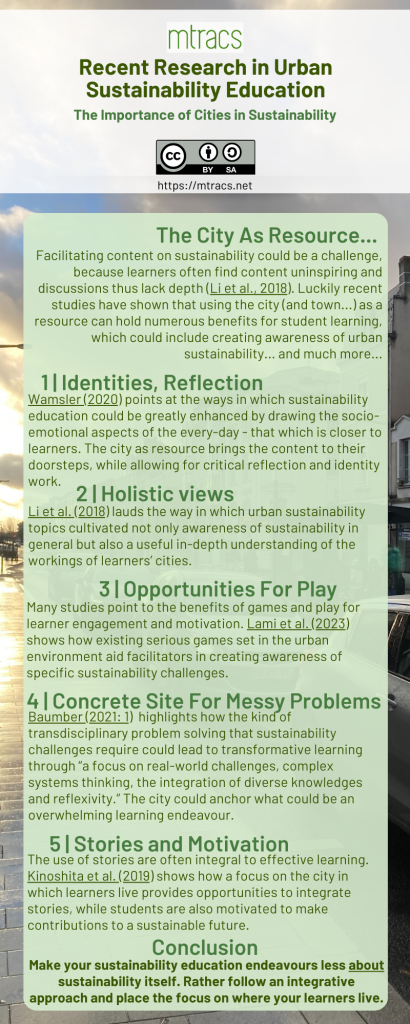
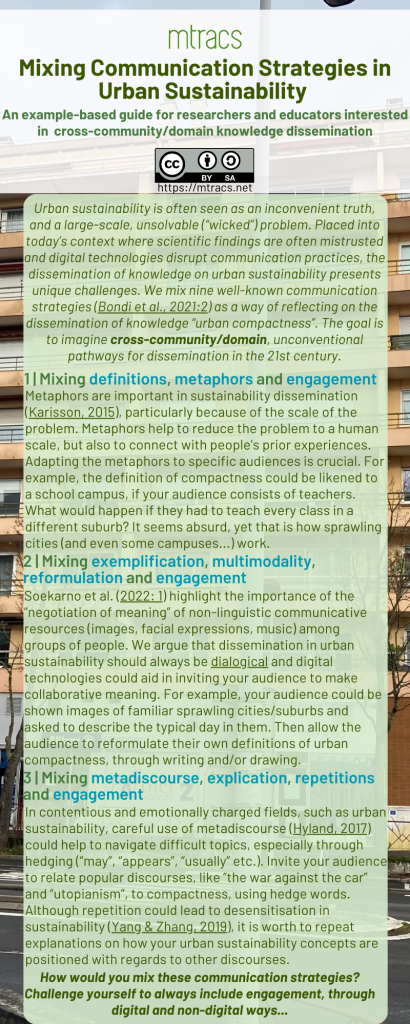
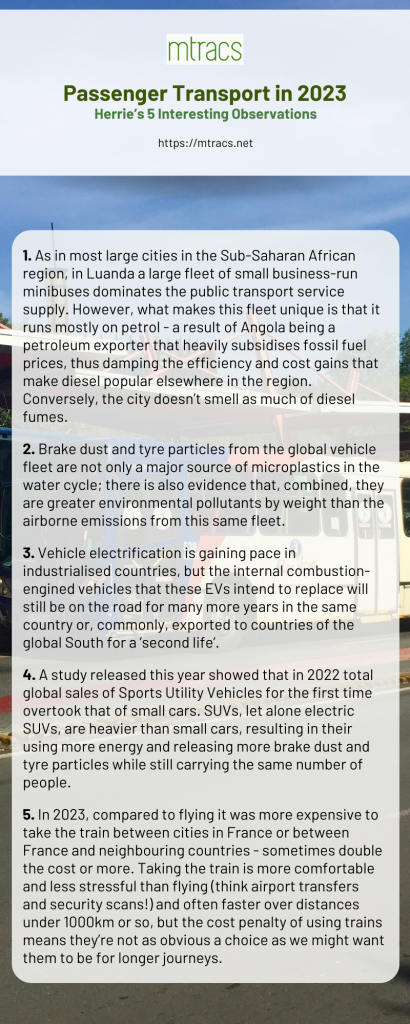
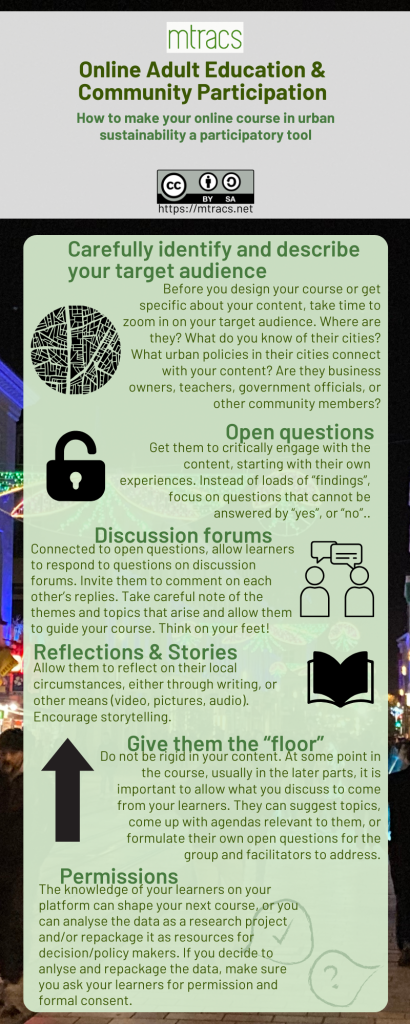
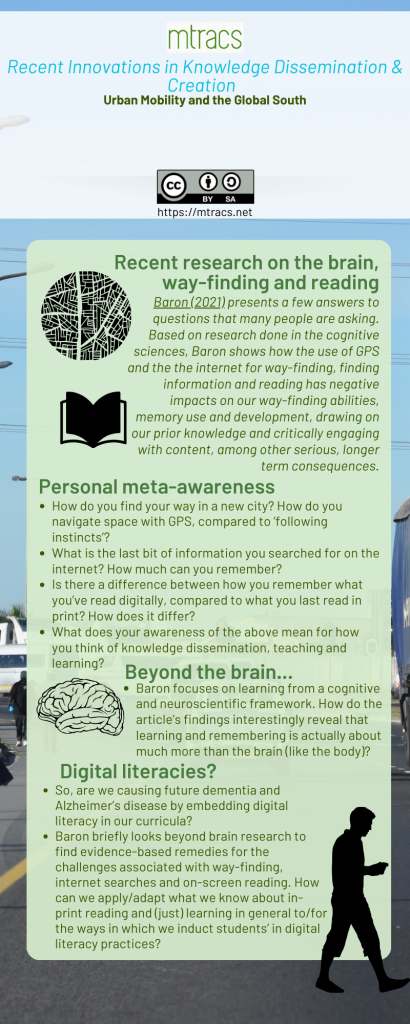
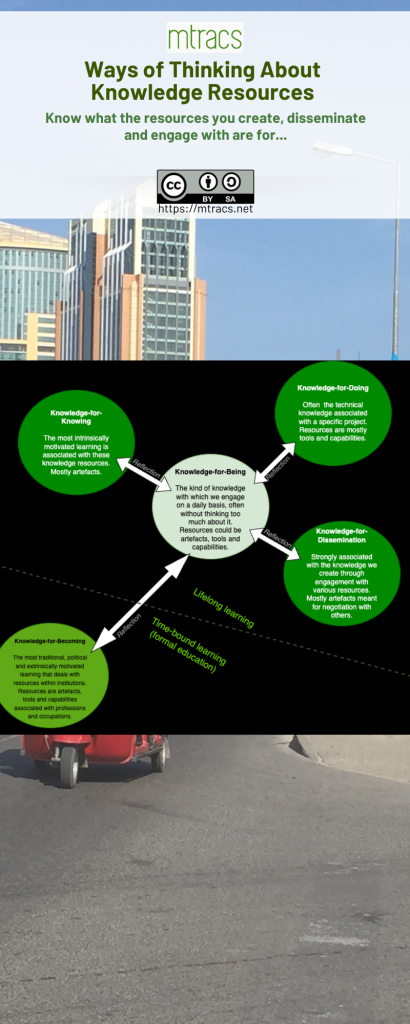
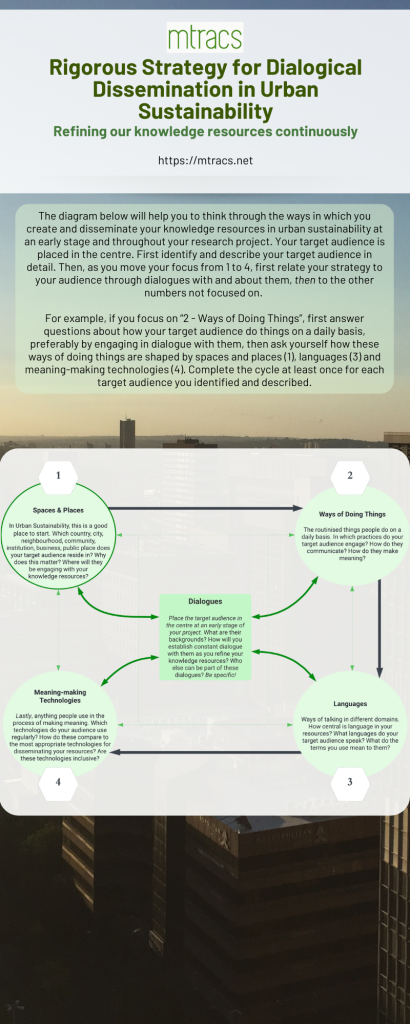
Here is our archived resources from 2022 until 2024, consisting mostly of info slips. Please right-click and save the images, or open them in a new tab, if you want to use and/or enlarge them. Please note that all resources are licensed under Creative Commons CC-BY-SA mtracs.net licences, unless otherwise indicated on the resource itself. For more information on Creative Commons, go to creativecommons.org.
Writing, Leading and Managing Research Proposals and Projects in Transport Studies – A Series of Resources
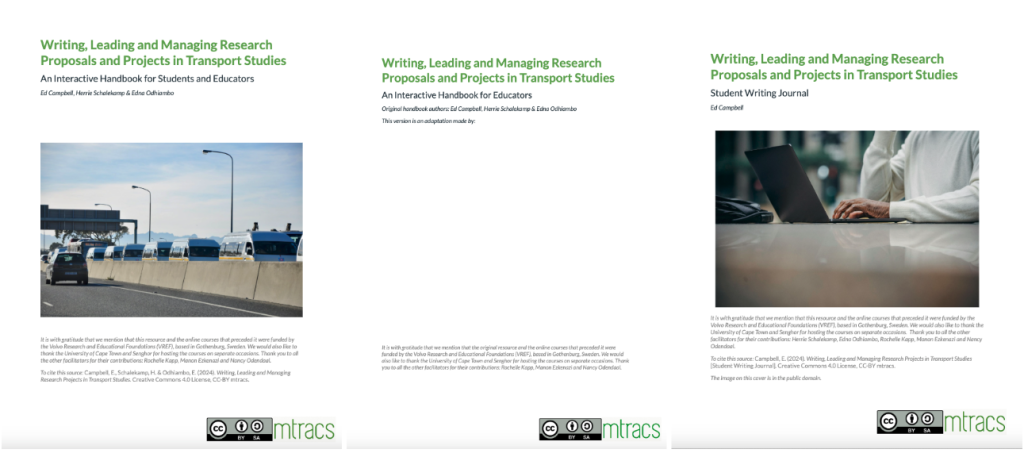
It is our pleasure to share our interactive handbook and other resources on academic research proposal writing and the management of research projects with you. We want to assure you that you are in good hands, as each of the academics involved in writing this handbook has a lot of experience in these challenging areas. This series of resources are based on an online course of three weeks that we presented in 2022 and 2023.
There are four resources in this series that compliment one another. If the document contains a Preface, please read it carefully to get a feel for how these resources could be used:
- The central, full document, called the Student and Educator Handbook. This would be a good document with which to start;
- The interactive ‘fillable version’ of the handbook (the Educator Handbook), which could be a valuable resource for educators particularly;
- A practical student proposal writing journal (the Student Writing Journal);
- The Facebook group page, where you can meet other people who are using these resources.